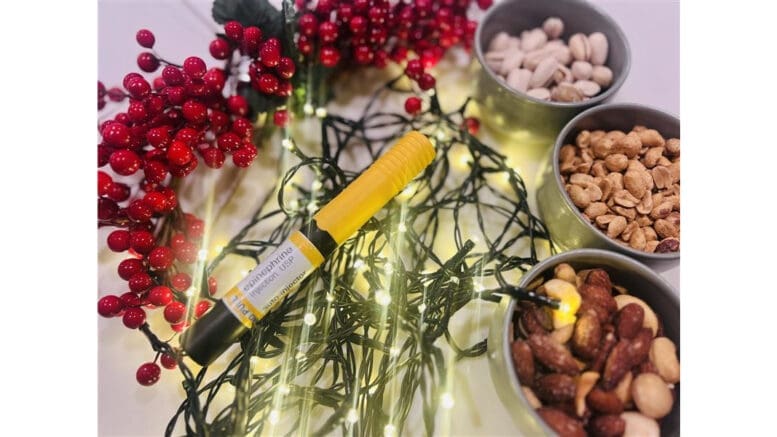
Photo courtesy of Wellstar Health System
Wellstar Health System submitted the following article about navigating food allergies for the holiday season:
A food allergy occurs when the body’s immune system reacts to a specific food as a threat. According to Food Allergy Research & Education (FARE), a leading nonprofit organization, more than 33 million Americans have food allergies, including those at risk for life-threatening anaphylaxis. Even more striking, anaphylaxis-related emergency visits rose 377% between 2007 and 2016. At the same time, CDC data shows that more than 1 in 4 children—about 27%—now have at least one allergic condition, such as seasonal allergies, eczema or food allergies.
If it seems like more children today have food allergies than in past generations, that perception is backed by data. Wellstar pediatrician Dr. Joanna Dolgoff says a recent estimate found that about 5.8% of U.S. children—roughly 1 in 20—have a diagnosed food allergy.
“Part of this rise is because we’re better at recognizing and diagnosing allergies,” Dr. Dolgoff said. “But there also seem to be real changes in how children’s immune systems are developing. Factors such as modern lifestyles, reduced exposure to certain microbes, changes in diet and environmental influences may all play a role. So, if it feels like more kids have food allergies than when we were growing up, you’re not imagining it—the trend is real.”
A new diagnosis can feel overwhelming, especially heading into the busy holiday season. But with time and preparation, managing food allergies becomes routine. While celebrations may look different at first, families can still enjoy safe, joyful gatherings. The most important rule: always keep epinephrine close by—and give yourself grace as you learn.
Many families are surprised to learn that nasal epinephrine is now available as an alternative to traditional EpiPens. It works the same way to stop a severe allergic reaction but is sprayed into the nose rather than injected. For children who fear needles, this option can feel far less intimidating. That said, the EpiPen remains the most widely used and trusted option, and many parents continue to carry it as a backup.
Holiday Safety Tips for Families Managing Food Allergies
- Communicate early with hosts, teachers and relatives about your child’s allergies.
- Read every label—even on familiar foods—as holiday versions may contain different ingredients.
- When in doubt, bring your own allergy-safe dish.
- Teach children to ask before eating anything and to always keep their epinephrine with them.
- Don’t hesitate to set boundaries—if you’re unsure about a food, it’s okay to say no.
For families traveling during the holidays, Dr. Dolgoff recommends packing allergy-safe snacks and meals and keeping two epinephrine auto-injectors in your carry-on—never in checked luggage—so they’re always within reach. If you’re flying, wipe down tray tables and armrests and alert the flight crew to your child’s allergy. It’s also wise to know where the nearest urgent care or hospital is at your destination.
With thoughtful preparation, families can still enjoy traditions that define the holiday season— while managing food allergies.